Casino Customer Service


Casino customer service covers the assistance provided to visitors across an entertainment property. It includes answering questions, explaining services, directing people to the correct department, and responding to concerns about the experience of a visit.

Many requests are resolved through simple clarification, while others require coordination between teams. Recording the issue accurately can help prevent a visitor from repeating the same explanation when responsibility passes from one employee to another.

Public entertainment properties bring together people with different expectations and levels of familiarity with the building. Some visitors follow a planned schedule, while others explore the available facilities. Clear information and recognizable service points help both groups make practical decisions without needing to understand the internal organization of the property.

The size of a property influences how responsibilities are divided. A smaller venue may use a compact team across several functions, while a larger complex can support specialized departments. In either case, visitors encounter the combined result, so communication between the people delivering different services remains an important practical concern.

The wider setting also matters. A property beside a busy street faces different arrival patterns from one reached mainly by private transport. Nearby hotels, event spaces, and public routes can influence the flow of visitors, making the relationship between the venue and its surroundings part of everyday operational planning.

Consistent service depends on communication and follow-through, particularly when a property contains many different facilities and points of contact. The details may differ between properties, but examining how people use the space provides a consistent way to understand its purpose and identify the everyday connections that support the complete visitor experience.

Casino Lighting


Casino lighting combines general illumination with decorative and task-specific light. Different areas may use different brightness levels and colors to distinguish dining, circulation, performances, and gaming without making the overall environment difficult to navigate.

Designers consider reflections on screens, the visibility of signs, and the appearance of materials under artificial light. Maintenance teams also need convenient access to fixtures so that replacing a failed component does not unnecessarily interrupt nearby activity.

Within a larger property, this subject connects to services that visitors may not immediately notice. Staff schedules, delivery routes, storage areas, and cleaning routines all influence how a public space operates. Coordination between these activities helps the visible part of the venue remain consistent during both quiet hours and periods of heavier use.

Information should be presented in a form that suits its audience. Visitors usually need a concise explanation of where to go or what is available, while staff may require more detailed instructions. Keeping these purposes distinct helps avoid crowded signs and makes internal procedures easier to maintain when arrangements change.

The wider setting also matters. A property beside a busy street faces different arrival patterns from one reached mainly by private transport. Nearby hotels, event spaces, and public routes can influence the flow of visitors, making the relationship between the venue and its surroundings part of everyday operational planning.

Lighting contributes to atmosphere, but its everyday usefulness depends on visibility, consistency, and the practical needs of the space. Its role becomes clearer when viewed alongside the rest of the building, including the routes, services, and staff activities that connect the individual area with the wider experience of visiting an entertainment property.

Casino Floor Layouts


Casino floor layouts organize gaming equipment and the routes between it. The arrangement must also accommodate staff movement, maintenance access, seating, and connections to other public facilities within the building or wider entertainment complex.

Different activities need different amounts of space. A table with standing spectators has a different circulation pattern from a row of seated machine users. Changes to one section can therefore affect movement in several nearby areas.

Changes within one department can affect several others. Moving an entrance, altering an event schedule, or temporarily closing a service point may change visitor routes and staff workloads elsewhere. Communicating these changes in advance makes it easier for different teams to provide consistent information and adjust their own preparations.

Operational records support continuity between shifts and departments. A clear description of a task or an unresolved issue allows the next person to continue the work without reconstructing the entire situation. The value of such records depends on relevant details, consistent terminology, and a clear indication of who is responsible for follow-up.

The most informative assessment considers the entire journey through the property. A comfortable room can still be difficult to use if it is poorly signposted, and a clear entrance can lead to confusing internal routes. Looking at these connections gives a fuller picture than judging individual features entirely in isolation.

A floor plan is a practical system whose performance depends on how the whole space is used over time. Considering the visitor journey together with the work performed behind the scenes gives a more complete understanding of the subject than an assessment based entirely on appearance or on a single moment of use.

Casino Game Demonstrations


Casino game demonstrations introduce the layout and basic procedures of an activity in an explanatory setting. A demonstration may focus on identifying equipment, recognizing table markings, and understanding the sequence followed by participants and staff.

The presentation needs clear language and enough space for observers to see the relevant objects. Separating explanation from a busy live activity can make it easier to ask questions without interrupting other visitors.

Changes within one department can affect several others. Moving an entrance, altering an event schedule, or temporarily closing a service point may change visitor routes and staff workloads elsewhere. Communicating these changes in advance makes it easier for different teams to provide consistent information and adjust their own preparations.

Operational records support continuity between shifts and departments. A clear description of a task or an unresolved issue allows the next person to continue the work without reconstructing the entire situation. The value of such records depends on relevant details, consistent terminology, and a clear indication of who is responsible for follow-up.

The wider setting also matters. A property beside a busy street faces different arrival patterns from one reached mainly by private transport. Nearby hotels, event spaces, and public routes can influence the flow of visitors, making the relationship between the venue and its surroundings part of everyday operational planning.

An introductory demonstration is most useful when its purpose remains clear and the information is presented without unnecessary complexity. Considering the visitor journey together with the work performed behind the scenes gives a more complete understanding of the subject than an assessment based entirely on appearance or on a single moment of use.

Casino Photography


Casino photography can document architecture, interiors, events, and the visual identity of an entertainment property. Images may be produced for a historical record, a design portfolio, or information explaining the facilities available to visitors.

Reflective surfaces, artificial lighting, and movement present practical challenges for photographers. Planning the time and position of a photograph can help show a space clearly while avoiding disruption to staff and other people using it.

Public entertainment properties bring together people with different expectations and levels of familiarity with the building. Some visitors follow a planned schedule, while others explore the available facilities. Clear information and recognizable service points help both groups make practical decisions without needing to understand the internal organization of the property.

Routine observation is an important part of managing this environment. Staff can note recurring questions, worn surfaces, difficult routes, or delays that are not obvious from a drawing. These observations provide a practical starting point for small improvements and help distinguish a temporary inconvenience from an issue that appears repeatedly.

Temporary conditions can reveal details that are less noticeable during routine operation. A busy performance, a maintenance closure, or a change in weather may alter how people use the building. Reviewing these situations helps teams prepare practical alternatives and keep their explanations consistent when the normal arrangement is unavailable.

A useful photograph communicates the character of a place while remaining attentive to the context in which the image is made. The details may differ between properties, but examining how people use the space provides a consistent way to understand its purpose and identify the everyday connections that support the complete visitor experience.

Roulette Tables


Roulette tables combine a wheel with a marked surface used during the game. The equipment creates a distinctive arrangement within a gaming room, with designated areas for the wheel, participants, and the staff member managing the activity.

The height and position of the table affect visibility and movement around it. Like other specialized furnishings, it also needs suitable lighting, cleaning, and inspection so that its physical condition remains appropriate for regular use.

The relationship between appearance and function is especially important in a frequently used venue. Decorative choices contribute to character, but the same materials and objects must also withstand cleaning, movement, and repeated handling. A design can remain attractive for longer when maintenance requirements are considered before the space begins operating.

Periodic review allows a property to compare its intended arrangements with actual daily use. Useful questions concern access, comfort, waiting, maintenance, and the clarity of information. These observations do not require every space to look the same; they help each area perform its particular role within the larger venue.

The most informative assessment considers the entire journey through the property. A comfortable room can still be difficult to use if it is poorly signposted, and a clear entrance can lead to confusing internal routes. Looking at these connections gives a fuller picture than judging individual features entirely in isolation.

The table can be understood as an example of equipment design in which layout, visibility, and established procedures are closely connected. Over time, changes in visitor patterns and service arrangements may call for adjustments, making regular observation a useful complement to the original design and to the procedures established when a facility first opens.

Casino Floor Layouts


Casino floor layouts organize gaming equipment and the routes between it. The arrangement must also accommodate staff movement, maintenance access, seating, and connections to other public facilities within the building or wider entertainment complex.

Different activities need different amounts of space. A table with standing spectators has a different circulation pattern from a row of seated machine users. Changes to one section can therefore affect movement in several nearby areas.

Changes within one department can affect several others. Moving an entrance, altering an event schedule, or temporarily closing a service point may change visitor routes and staff workloads elsewhere. Communicating these changes in advance makes it easier for different teams to provide consistent information and adjust their own preparations.

Operational records support continuity between shifts and departments. A clear description of a task or an unresolved issue allows the next person to continue the work without reconstructing the entire situation. The value of such records depends on relevant details, consistent terminology, and a clear indication of who is responsible for follow-up.

The most informative assessment considers the entire journey through the property. A comfortable room can still be difficult to use if it is poorly signposted, and a clear entrance can lead to confusing internal routes. Looking at these connections gives a fuller picture than judging individual features entirely in isolation.

A floor plan is a practical system whose performance depends on how the whole space is used over time. Considering the visitor journey together with the work performed behind the scenes gives a more complete understanding of the subject than an assessment based entirely on appearance or on a single moment of use.

Casino Acoustics


Casino acoustics concerns the way sound travels through an entertainment property. Music, conversation, machines, announcements, and live performances may overlap, making the shape and surface treatment of rooms important parts of the visitor experience.

Soft furnishings and sound-absorbing finishes can change how strongly noise is reflected. The position of loudspeakers and the separation between active and quiet rooms also influence whether visitors can hold a conversation or understand spoken information.

The experience of a space can change with the time of day and the number of people present. An arrangement that feels spacious during a quiet afternoon may need more active management before an evening event. Observing ordinary patterns of use provides useful information about where additional signs, assistance, or room may be needed.

Periodic review allows a property to compare its intended arrangements with actual daily use. Useful questions concern access, comfort, waiting, maintenance, and the clarity of information. These observations do not require every space to look the same; they help each area perform its particular role within the larger venue.

Temporary conditions can reveal details that are less noticeable during routine operation. A busy performance, a maintenance closure, or a change in weather may alter how people use the building. Reviewing these situations helps teams prepare practical alternatives and keep their explanations consistent when the normal arrangement is unavailable.

Acoustic planning connects architecture with daily operation, particularly where different activities take place beside one another. Looking at the subject in this broader context helps explain why apparently small decisions can matter to several departments and why practical arrangements deserve attention alongside the more visible features of a venue.

Historic Casino Buildings


Historic casino buildings reflect the architectural preferences and entertainment practices of the periods in which they were developed. Their public rooms, entrances, decorative details, and relationship to nearby streets can reveal how a destination once presented itself.

When a building continues to operate, owners must balance existing features with present-day service needs. Documentation is valuable because later additions and alterations can make the original arrangement difficult to distinguish from subsequent work.

The experience of a space can change with the time of day and the number of people present. An arrangement that feels spacious during a quiet afternoon may need more active management before an evening event. Observing ordinary patterns of use provides useful information about where additional signs, assistance, or room may be needed.

Periodic review allows a property to compare its intended arrangements with actual daily use. Useful questions concern access, comfort, waiting, maintenance, and the clarity of information. These observations do not require every space to look the same; they help each area perform its particular role within the larger venue.

The wider setting also matters. A property beside a busy street faces different arrival patterns from one reached mainly by private transport. Nearby hotels, event spaces, and public routes can influence the flow of visitors, making the relationship between the venue and its surroundings part of everyday operational planning.

Understanding such a building requires attention to both its surviving physical details and the history of changes made over time. Looking at the subject in this broader context helps explain why apparently small decisions can matter to several departments and why practical arrangements deserve attention alongside the more visible features of a venue.

The impact of AI on modern casino gaming


Innovazioni nell’esperienza di gioco

L’intelligenza artificiale sta trasformando radicalmente l’esperienza di gioco nei casinò moderni. Grazie all’analisi dei dati e all’apprendimento automatico, i casinò possono personalizzare le offerte per i giocatori, creando un ambiente di gioco su misura per le loro preferenze. Ad esempio, i sistemi possono analizzare le abitudini di gioco dei clienti e offrire promozioni personalizzate, aumentando così la fidelizzazione e il coinvolgimento, come dimostrato da nvcasino , che utilizza queste tecnologie per migliorare l’esperienza utente. Questa personalizzazione non solo migliora l’esperienza del giocatore, ma aiuta anche i casinò a massimizzare i profitti.

Inoltre, le tecnologie basate sull’intelligenza artificiale contribuiscono a creare giochi più coinvolgenti e interattivi. Gli sviluppatori di giochi utilizzano AI per progettare algoritmi che apprendono e si adattano in base ai comportamenti dei giocatori. Questo significa che i giochi possono diventare progressivamente più difficili o più facili, a seconda delle preferenze del singolo utente. I casinò stanno quindi investendo in questi sistemi per attrarre nuovi giocatori e mantenere quelli esistenti, creando un ciclo virtuoso di innovazione.

Anche l’interazione sociale nei giochi è stata migliorata grazie all’AI. Sistemi di riconoscimento facciale e assistenti virtuali rendono possibile una comunicazione più fluida tra i giocatori e il personale del casinò. Ad esempio, i chatbot possono rispondere a domande frequenti o fornire assistenza immediata, rendendo l’interazione più efficiente. Questo approccio non solo migliora l’assistenza al cliente, ma crea anche un’atmosfera più accogliente e interattiva che può attrarre ulteriormente i visitatori.

Sicurezza e prevenzione delle frodi

La sicurezza è una delle principali preoccupazioni per i casinò, e l’intelligenza artificiale sta giocando un ruolo cruciale nella prevenzione delle frodi. Utilizzando algoritmi di apprendimento automatico, i casinò possono monitorare le transazioni in tempo reale e identificare comportamenti sospetti. Ad esempio, se un giocatore mostra schemi di puntata anomali o utilizza metodi di pagamento insoliti, il sistema può allertare immediatamente il personale di sicurezza, riducendo il rischio di frodi finanziarie.

Inoltre, l’AI è anche utilizzata per analizzare i dati dei giocatori e identificare quelli che potrebbero avere problemi di gioco. I sistemi possono rilevare segni di gioco compulsivo, come puntate eccessive o comportamenti di gioco irregolari. In queste circostanze, i casinò possono intervenire in modo proattivo, offrendo supporto o limitando l’accesso ai giocatori a rischio. Questa attenzione alla salute dei giocatori contribuisce non solo al benessere dei clienti, ma anche alla reputazione del casinò stesso.
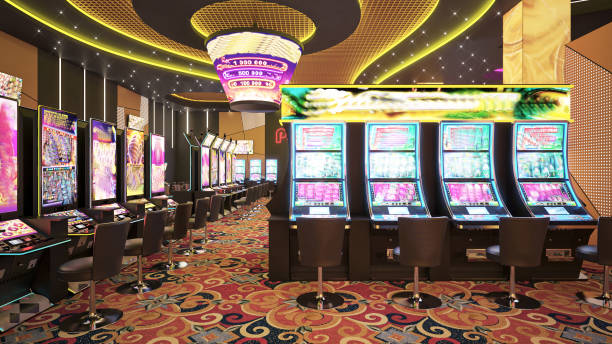
La sicurezza informatica è un altro ambito in cui l’AI sta dimostrando il suo valore. Con l’aumento delle minacce informatiche, i casinò utilizzano sistemi intelligenti per rilevare e prevenire attacchi informatici. Algoritmi avanzati possono identificare anomalie nei sistemi di rete, consentendo una risposta rapida a potenziali violazioni. Questa protezione non solo salvaguarda i dati sensibili dei giocatori, ma protegge anche gli asset e l’integrità del casinò stesso.

Automazione e gestione operativa

La gestione operativa dei casinò è diventata più efficiente grazie all’automazione alimentata dall’intelligenza artificiale. Attraverso l’analisi dei dati, i casinò possono ottimizzare le loro operazioni quotidiane, dalla gestione del personale alla pianificazione degli eventi. Ad esempio, l’AI può aiutare a prevedere i periodi di maggiore affluenza e adattare il personale di conseguenza, garantendo un servizio di alta qualità senza sprechi. Questa capacità di adattamento è fondamentale per mantenere la soddisfazione dei clienti e ottimizzare le risorse.

Inoltre, l’automazione consente ai casinò di migliorare la gestione dei tavoli da gioco e delle slot machine. I sistemi AI possono monitorare le performance delle macchine e fornire dati sui giochi più popolari. Questo aiuta i casinò a prendere decisioni strategiche su quali giochi mantenere o aggiornare, massimizzando le entrate. Anche il monitoraggio delle scorte è stato semplificato, poiché i sistemi possono prevedere le necessità future e ordinare materiali e forniture quando necessario, riducendo i costi operativi.

Il miglioramento dell’efficienza operativa non si limita solo ai giochi, ma si estende anche alle aree amministrative. L’intelligenza artificiale può automatizzare funzioni come la contabilità e la gestione delle risorse umane, liberando il personale da compiti ripetitivi. Ciò consente ai dipendenti di concentrarsi su attività più strategiche, migliorando ulteriormente l’efficienza complessiva del casinò. Questo approccio non solo ottimizza le risorse ma promuove anche un ambiente di lavoro più soddisfacente per i dipendenti.

Tendenze future nell’AI e nei casinò

Con il continuo sviluppo dell’intelligenza artificiale, le tendenze future nel settore dei casinò sono promettenti. Una delle aree più interessanti è l’integrazione dell’AI con tecnologie emergenti come la realtà aumentata e virtuale. Ciò potrebbe trasformare l’esperienza di gioco, offrendo ambienti immersivi dove i giocatori possono interagire l’uno con l’altro e con i giochi in modi completamente nuovi. Questa evoluzione potrebbe non solo attrarre nuovi clienti, ma anche mantenere l’interesse di quelli esistenti.

Un’altra direzione futura è l’utilizzo dell’AI per migliorare le esperienze di gioco mobile. Con l’aumento del gioco su dispositivi mobili, i casinò possono implementare soluzioni AI che ottimizzano le interfacce delle app e migliorano l’accessibilità. Questo non solo aiuta a raggiungere una clientela più ampia, ma offre anche nuove opportunità per le promozioni e le campagne di marketing personalizzate. Inoltre, l’analisi dei dati degli utenti può guidare lo sviluppo di nuovi giochi e funzionalità.

Infine, il futuro dell’AI nei casinò include anche considerazioni etiche e di regolamentazione. Man mano che l’intelligenza artificiale diventa più prevalente, i casinò devono affrontare le questioni relative alla privacy dei dati e alla sicurezza. Sarà fondamentale sviluppare normative che garantiscano la protezione dei giocatori e l’uso responsabile dell’AI, creando un equilibrio tra innovazione e sicurezza. Questo approccio non solo tutelerà i clienti, ma contribuirà anche a una maggiore fiducia nel settore.

Il sito web come hub di informazione

Il sito web di un casinò moderno deve fungere da hub centrale per tutte le informazioni relative ai servizi offerti. Grazie all’intelligenza artificiale, i casinò possono utilizzare i propri siti web per instaurare un’interazione diretta con i giocatori. Sistemi chatbot intelligenti possono rispondere a domande, fornire assistenza e persino guidare gli utenti verso le offerte più adatte alle loro preferenze di gioco. Questa funzionalità non solo migliora l’esperienza dell’utente, ma fa anche sentire i clienti più valorizzati.

Inoltre, il sito web può offrire contenuti personalizzati basati sulle abitudini di navigazione dei clienti, creando un’esperienza unica per ciascun visitatore. Ad esempio, se un giocatore mostra interesse per i giochi da tavolo, il sito può evidenziare offerte e promozioni specifiche per quel segmento. Questo approccio non solo migliora l’esperienza dell’utente, ma aumenta anche le probabilità di attrarre nuovi clienti, incrementando così la base di utenti e le entrate del casinò.

Infine, il sito deve anche enfatizzare l’importanza della sicurezza e della responsabilità nel gioco. Informazioni chiare su come giocare in modo responsabile, segnali di gioco problematico e risorse di supporto devono essere facilmente accessibili. L’integrazione dell’AI per monitorare il comportamento degli utenti può anche garantire che siano adottate le misure di protezione necessarie, creando così un ambiente di gioco sicuro e divertente per tutti. In questo modo, i casinò possono promuovere una cultura di gioco responsabile e sostenibile.