
Understanding the psychological triggers behind gambling behavior
The Allure of Risk and Reward
The thrill of gambling often stems from its inherent risk-reward structure. Players are drawn to the potential of winning significant amounts of money, which creates a strong psychological pull. The anticipation of a big win can lead to excitement and an adrenaline rush, activating the brain’s reward pathways. This rush is a key element that compels individuals to engage in gambling activities, as the pleasure derived from winning can reinforce the behavior, making it more likely for players to return to the gaming environment. At the same time, understanding the historical evolution of casinos has become increasingly important as the industry adapts to modern preferences. For additional insights, visit https://rehabinthailand.co.uk/.

Moreover, the unpredictability associated with gambling enhances its appeal. When players experience an unexpected win, the surprise amplifies the emotional high, compelling them to chase that feeling again. This cycle of anticipation, risk, and reward can become addictive, as the brain begins to associate gambling with pleasure, making it challenging for individuals to recognize when their behavior has shifted from casual play to problematic gambling.
The influence of social environments and peer pressure also contributes to the allure of gambling. In settings where gambling is normalized, individuals may feel encouraged to participate, believing that they could also experience the excitement. This social validation can create a strong compulsion to gamble, blurring the lines between entertainment and addiction, particularly for vulnerable individuals seeking acceptance or thrill.
The Role of Cognitive Biases
Cognitive biases significantly influence gambling behavior, as individuals often overestimate their chances of winning. The “gambler’s fallacy,” for instance, is a common misconception where players believe that past outcomes affect future results, despite each game being independent. This flawed thinking can lead players to gamble more aggressively, hoping to reverse their losses or capitalize on perceived winning streaks. Such cognitive distortions create a false sense of control, further entrenching individuals in their gambling habits.
Additionally, confirmation bias can lead gamblers to selectively remember wins while disregarding losses. This selective memory reinforces their belief in their gambling strategy and fuels continued play. Gamblers may rationalize their behavior by focusing on the wins, ignoring the significant losses, which can result in a distorted perception of their overall performance and create a vicious cycle of gambling.
Moreover, the illusion of control is another psychological factor that compels individuals to gamble. Many players believe they can influence outcomes, especially in games of skill. This perception can be particularly powerful in poker or sports betting, where players think their knowledge or expertise can sway results. This misplaced confidence can lead to increased gambling activity, as individuals feel empowered, even when the odds are not in their favor.
The emotional dimension of gambling plays a crucial role in influencing behavior. Many individuals turn to gambling as a way to cope with stress, loneliness, or other negative emotions. The temporary escape that gambling provides can create a cycle of reliance, where individuals use gambling as a means of alleviating their emotional discomfort. This escape can be particularly appealing during challenging life circumstances, making it a dangerous coping mechanism.
Moreover, the excitement and thrill of gambling can evoke strong emotional responses that are hard to resist. The joy of winning can elicit feelings of euphoria, while the disappointment of losing can lead to frustration or despair. This emotional rollercoaster can make gambling a compelling activity, as individuals chase the highs while attempting to avoid the lows. Over time, this dynamic can lead to significant emotional instability and behavioral issues, further entrenching individuals in gambling culture.
Additionally, the social aspect of gambling can enhance emotional connections. Many people enjoy gambling with friends or family, making it a communal activity. This social engagement can intensify emotional investment, as winning together can create shared experiences and reinforce social bonds. However, this sense of community can also blur the line between healthy social interaction and problematic gambling behavior, particularly if the group dynamics encourage excessive play.
Gambling addiction is a complex psychological condition that can have serious implications for individuals and their loved ones. The combination of emotional, cognitive, and environmental factors contributes to the development of problematic gambling behavior. Individuals suffering from gambling addiction often find themselves unable to control their impulses, leading to negative consequences such as financial ruin, damaged relationships, and declining mental health.
Research indicates that certain personality traits may predispose individuals to gambling addiction. For instance, those with high levels of impulsivity may struggle more with gambling urges, leading to a greater likelihood of developing addictive behaviors. Additionally, underlying mental health issues, such as anxiety or depression, can exacerbate gambling habits, as individuals seek solace in gambling as a form of escape.
Recognizing the signs of gambling addiction is crucial for early intervention. Common indicators include preoccupation with gambling, increased time spent gambling, and a willingness to jeopardize personal and financial well-being for the sake of gambling. Understanding these triggers is vital for developing effective treatment strategies and helping individuals regain control over their lives.
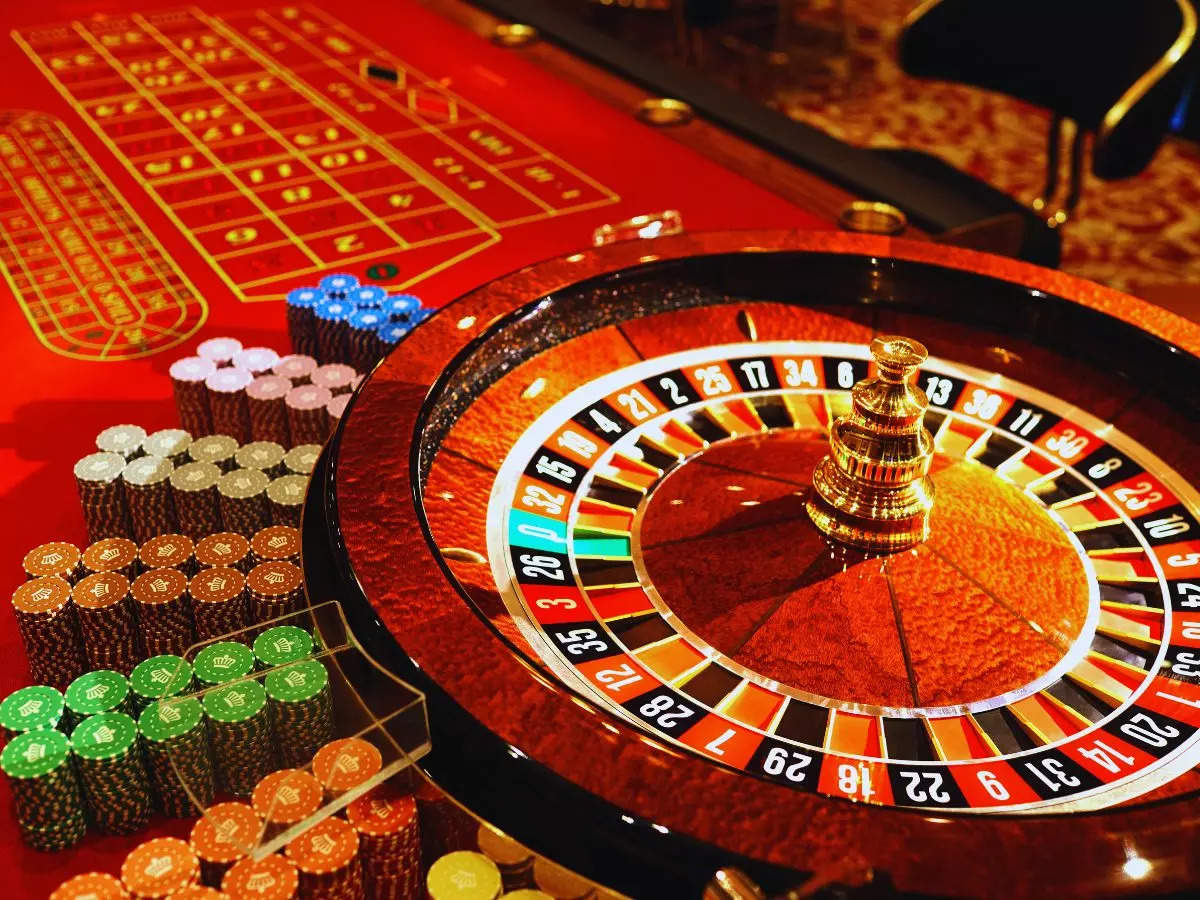
Your Gaming Experience at LolaJack Casino
LolaJack Casino recognizes the intricate psychological triggers behind gambling behavior and aims to create a responsible gaming environment for players. By offering a diverse selection of games and a robust support system, the casino ensures that players have a positive and enjoyable experience. With over 4,000 games available, including slots and live casino tables, players can explore various entertainment options tailored to their preferences.
The casino is committed to promoting responsible gambling practices and provides resources for those who may need support. Players are encouraged to set limits on their gambling activities, helping them manage their behavior effectively. Additionally, 24/7 customer support is available to assist players with any concerns, reinforcing a commitment to player well-being.
Joining LolaJack Casino allows players to immerse themselves in a thrilling gaming environment while remaining aware of the psychological factors that may influence their behavior. With a focus on providing an enjoyable and safe atmosphere, players can indulge in the excitement of gambling while being mindful of their actions and choices.
“`